
Non-Destructive Evaluation Progress Using Computed Tomography Singapore Across Industries
Unexpected insights often arise when internal structures are viewed without damage. Inspection methods have evolved to reveal hidden flaws with precision. Industrial teams rely on clear imaging to support safe outcomes. The role of computed tomography singapore appears vital in understanding inner conditions. Many sectors adopt this approach to avoid failure risks. The discussion below connects how this method supports reliable inspection across varied applications.
Internal imaging clarity improves inspection decisions
Accurate internal views help teams detect flaws before failure risks grow. Better clarity supports faster judgment across multiple inspection needs.
- Detailed scans reveal hidden cracks without altering component structure
- Advanced imaging supports better judgment during early defect identification stages
- Layer-based visualization improves understanding of complex internal formations
- Clear results reduce uncertainty during evaluation and maintenance planning
Such clarity strengthens confidence during inspection processes.
Advanced scanning processes shaping industrial reliability
Precise scanning methods support consistent evaluation across various structural components. Improved resolution allows a better understanding of material behaviors under stress. Enhanced imaging builds trust in inspection outcomes. Reliable scans reduce unexpected failures during operations.
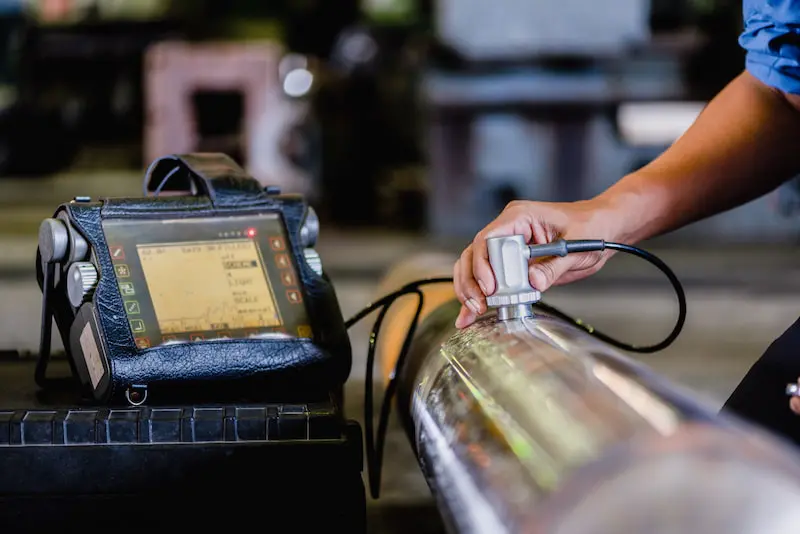
Structural analysis accuracy through volumetric imaging
Volumetric imaging provides complete insight into the internal conditions of objects. It helps engineers understand density variation and hidden gaps. This method supports accurate evaluation without physical interference. Better data leads to improved maintenance planning decisions.
Defect detection workflow enhancing operational safety
Early defect detection reduces risks during equipment usage. It allows timely intervention before issues grow serious. Inspection teams depend on reliable imaging for safe outcomes.
- Early stage detection prevents escalation of structural damage risks
- Consistent evaluation improves safety standards across multiple operational environments
- Reliable scanning reduces unexpected downtime during system usage periods
- Data driven insights support informed maintenance planning decisions
- Imaging improves traceability of defects across lifecycle stages
- Inspection records enhance long-term monitoring and reporting accuracy
- Faster identification supports efficient corrective action planning cycles
- Structured analysis reduces uncertainty during safety evaluation procedures
Such workflows improve safety outcomes across industries.
Material integrity assessment supporting long term performance
Material condition analysis helps teams understand wear patterns. It supports decisions on replacement or repair timing. Imaging provides accurate insights into internal quality. This approach helps maintain consistent performance standards.
Cross-industry applications driving innovation trends
Industries continue to adapt imaging solutions for inspection tasks. Aerospace uses it for component reliability checks. Manufacturing applies it for quality validation. Energy sectors depend on it for safety assurance. The use of computed tomography singapore continues to expand across these areas.
Consistent imaging builds reliable outcomes
Reliable inspection depends on accurate imaging practices. Consistency in evaluation supports better decision making. Clear insights reduce uncertainty in maintenance planning. Structured processes ensure dependable results across applications. Continuous improvement strengthens trust in inspection outcomes.
FAQ Section
- What is the purpose of internal imaging methods?It helps detect hidden defects without damaging the object.
- Why do industries prefer this inspection approach?It provides accurate results without affecting structural integrity.
- How does imaging support safety measures?It identifies risks early and prevents unexpected failures.
- Can this method improve maintenance planning?Yes, it offers clear insights for timely repair decisions.
- Is this method suitable for complex structures?Yes, it provides detailed internal views for complex designs.