
Polymers are materials that scientists seek to develop. They study how to make them lightweight and flexible. Researchers turn to polymer analysis when they want it, from food packaging to clean energy. Developing novel polymer materials uses the processes of extrusion and compounding.
The polymer resin manufacturers look for polymer testing. It helps provide feedback to manufacturing controls that reduce resin quality variations. The manufacturer has the people and processes in place to ensure the resin meets customer requirements and is on spec.
Polymer resin
If you wonder how plastic products become strong and lightweight, the answer is polymer resin. The material used in everything matters, such as:
- packaging
- car parts
- medical tools
You will see several terms in plastic manufacturing that are mixed up, such as:
- resin
- polymer
- plastic
They are not the same. But they are closely related. You must understand the difference if you are new to:
- plastic production
- injection molding
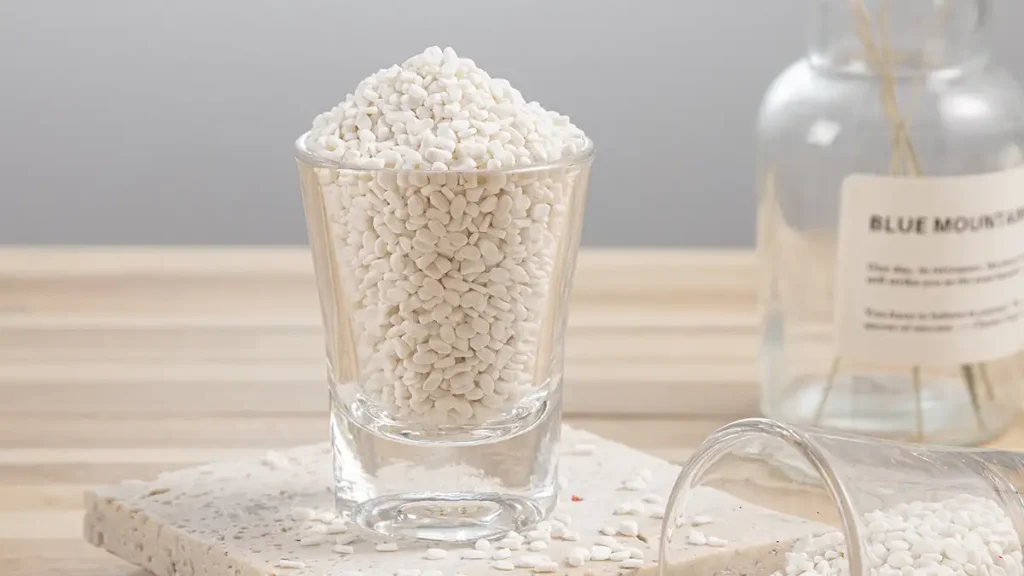
Polymer resin is the raw material used to develop most plastic products. It starts as a thick liquid that hardens under:
- heat
- pressure
Polymer quality control
Polymer-based products are in almost any industry. They are prevalent in modern consumer products. Polymer properties are changed to fit the end-user requirements through the degree of variability in polymer formulations. The physical properties of polymers affect their characteristics, such as:
- average molecular weight
- degree of cross-linking
- chemical composition
Other factors can affect the final polymer properties even slightly, such as:
- temperature
- pressure
- feed ratios
Thus, you must test everything to ensure specifications are met, such as:
- raw materials
- process equipment
- final products
Steps of polymer manufacturing
The third step in manufacturing polymers is quality control. The step ensures that the finished product has the quality that the customers expect:
- Polymer Production
- Polymer Processing
- Quality Control
Quality control is an essential component of a successful industry. It ensures that all products meet the internal specifications and expectations of the consumers. This reduces waste and inefficiencies in the process. The risk of a product failing quality control measures is minimized when all components of the process are:
- at their highest quality
- all equipment is regularly calibrated
Strict control practices are essential to maintain a reputation in the industry. Consumers share opinions about the products. Positive reviews can convince potential consumers. Negative opinions of the product quality can affect sales and marketing efforts of the business.
Consumers who conclude your product has higher quality stay loyal to the company. It is essential to implement good quality control practices to stay competitive.
FAQs
Why do industries rely on using polymers?
Industries rely on polymers for various reasons:
- lightweight
- strong
- flexible
- cheap to make
What Industries rely on polymer resin manufacturers?
The major sectors that rely on polymers include:
- packaging
- automotive
- construction
- healthcare
- electronics
Why is resin quality important for manufacturers?
Resin quality is essential for manufacturers as it ensures that their finished products have:
- end-product structural integrity
- processing efficiency
- regulatory compliance
What happens if a manufacturer produces poor-quality polymer resin?
Poor-quality poly resin can lead to:
- component warping
- structural failure
- expensive production downtime