
No Credit Check Plans Providing Simpler Paths Toward Mobile Connectivity
Reliable mobile access depends on more than network coverage. Payment terms, eligibility rules, device costs, and account setup can shape the overall choice. For people seeking flexible options, no credit check phone plans can reduce barriers linked with traditional credit reviews. These plans can suit users who prefer straightforward enrollment while keeping attention on monthly costs, data allowances, calling needs, and service conditions.
Flexible Enrollment Reduces Initial Barriers
Credit screening can complicate mobile enrollment for certain users. A no-check approach shifts attention toward immediate service requirements instead. Applicants can focus on payment arrangements, available features, and device compatibility. This creates a clearer starting point without making credit history the central requirement.
Which Costs Should Users Compare?
Monthly pricing tells only part of the story. Activation charges, device payments, taxes, and data limits can change the final expense. A useful comparison considers the complete payment structure before selection.
- Check recurring charges before activation.
- Review included data allowances carefully.
- Confirm extra usage fees beforehand.
- Consider device costs separately.
Payment Options Shape Monthly Control
Predictable payments can make mobile budgeting easier,no credit check phone plans may use prepaid arrangements or fixed recurring charges. Such structures allow users to connect service costs with existing budgets. However, payment timing still matters because missed payments can interrupt access.

What Features Matter For Daily Use?
Service quality depends on personal usage patterns. Someone making frequent calls needs different allowances than a person relying heavily on mobile data. Coverage, hotspot access, messaging, international calling, and device compatibility can influence suitability.
Useful checks include:
- Match data allowances with regular usage.
- Confirm compatible device requirements before activation.
- Review calling features for routine needs.
- Check renewal terms before selecting service.
Device Choice Can Change Total Costs
A lower monthly charge may not mean lower spending overall. Device financing can add a separate obligation. Bringing an existing compatible handset can reduce upfront expenses. New equipment may provide convenience, but the total payment deserves careful attention before commitment.
Simple Terms Can Support Smarter Choices
Clear service conditions help users understand what mobile access actually costs. A plan with straightforward payments may simplify budgeting, especially when activation and renewal rules remain visible. The important distinction is not simply avoiding credit checks. It is understanding every charge before the first payment is made.
FAQs
Do no credit check plans require credit history?
These plans can avoid traditional credit checks, depending on the provider and service arrangement.
Can an existing phone work with such plans?
A compatible unlocked device may work, subject to network and technical requirements.
Are activation charges always included?
Not necessarily. Activation costs can differ, so pricing details should be reviewed beforehand.
Can payment terms vary between plans?
Yes. Prepaid, recurring, and device-based arrangements can create different payment schedules.
How Invisalign Aligner Trimlines Affect Gum Health and Soft Tissue Comfort During Orthodontic Treatment
Understanding the Critical Role of Aligner Design in Oral Health
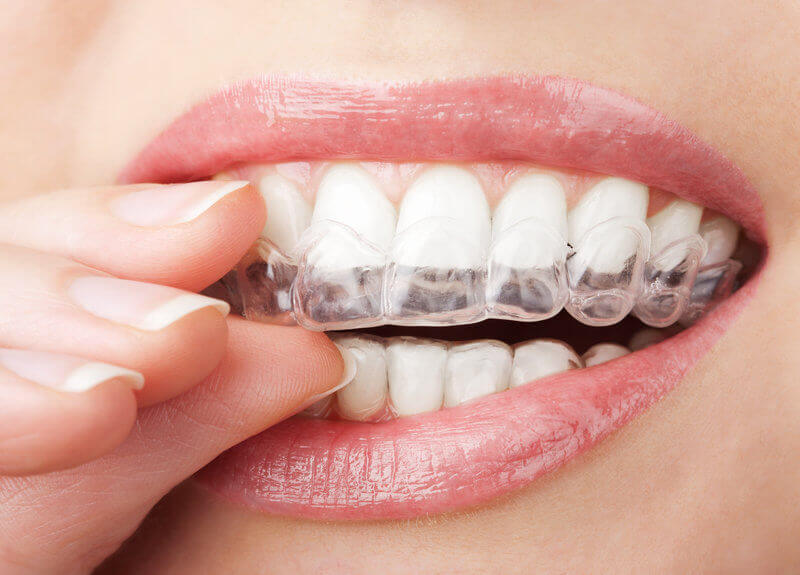
The world of orthodontics has been revolutionised by clear aligner therapy, yet one often overlooked aspect of treatment success lies in the precise positioning of the aligner edge against the gingival tissue. The trimline—that carefully determined boundary where the aligner meets the gum—plays a surprisingly pivotal role in both the comfort of the patient and the health of the surrounding soft tissues throughout the Invisalign Leeds treatment journey.
When patients embark on their orthodontic journey with Invisalign practitioners, they may not immediately consider how the subtle contours of their aligners will interact with their gums day after day. However, this relationship between plastic and tissue is fundamental to achieving a successful outcome without compromising periodontal health or causing unnecessary discomfort during the months of wear.
The Science Behind Aligner Trimlines
Aligner trimlines are not arbitrarily positioned. They represent a carefully calculated boundary that must balance several competing demands: adequate retention of the aligner on the tooth, sufficient coverage to exert the necessary orthodontic forces, and minimal interference with the delicate gingival tissues that surround each tooth. Getting this balance right requires both technological precision and clinical expertise.
Three Primary Trimline Positions
Orthodontic professionals typically work with three distinct trimline configurations, each offering different advantages and potential challenges for gum health:
- Scalloped trimlines that follow the natural contours of the gingival margin
- Straight trimlines that maintain a uniform distance from the gingival tissue
- Modified trimlines that combine elements of both approaches in specific areas
Research has demonstrated that the relationship between clear aligners and periodontal health extends beyond simple mechanical irritation. The positioning of the aligner edge can influence plaque accumulation patterns, alter the local environment around the gingival sulcus, and even affect the patient’s ability to maintain optimal oral hygiene throughout treatment.
How Trimline Position Influences Gingival Response
The gingival tissues are remarkably sensitive to sustained pressure and mechanical irritation. When an aligner trimline extends too far beneath the gum margin, it can create a chronic inflammatory response, leading to redness, swelling, and discomfort that persists throughout the wearing period. Conversely, trimlines positioned too far from the gingival margin may compromise the aligner’s retention and reduce the effectiveness of tooth movements.
The Impact of Excessive Gingival Coverage
When aligner edges impinge upon the gingival tissues, patients often report tenderness and sensitivity that can significantly affect their quality of life during treatment. This discomfort typically manifests most acutely during the first few days of wearing a new aligner, when the tissues are adjusting to the pressure and presence of the appliance. Over time, chronic irritation can lead to localised inflammation and, in some cases, gingival recession if left unaddressed.
The consequences extend beyond immediate discomfort. Inflamed gingival tissues are more susceptible to bacterial colonisation, potentially compromising the overall periodontal health that orthodontic treatment aims to support. Understanding how clear aligners influence overall gum health helps patients appreciate the importance of proper aligner design and fit throughout their treatment journey.
Optimising Soft Tissue Comfort Throughout Treatment
Modern digital planning software allows clinicians to customise trimline positions based on individual gingival anatomy and treatment requirements. This personalised approach ensures that each patient receives aligners designed specifically for their unique oral landscape, minimising the risk of soft tissue complications whilst maintaining the mechanical efficiency necessary for successful tooth movement.
Patients can take several proactive steps to support their gingival health during aligner therapy. Maintaining meticulous oral hygiene, removing aligners for thorough cleaning after meals, and promptly reporting any persistent discomfort to their treating clinician all contribute to positive outcomes. Those seeking further guidance on maintaining healthy gums during aligner treatment will find that prevention remains far more effective than addressing problems after they develop.
When Adjustments Become Necessary
Occasionally, despite careful planning, certain trimline positions may require modification during treatment. Clinicians can carefully adjust aligner edges using specialised instruments, smoothing any areas that cause persistent irritation whilst preserving the aligner’s structural integrity and retention capabilities. These minor refinements often make a substantial difference to patient comfort without compromising treatment progress.
Final Thoughts on Aligner Design and Gingival Wellbeing
The relationship between aligner trimlines and gingival health represents a crucial yet often underappreciated aspect of modern orthodontic care. By understanding how these design elements influence soft tissue comfort and periodontal wellbeing, both patients and practitioners can work together to ensure that the journey towards straighter teeth does not come at the expense of healthy gums. Thoughtful trimline design, combined with attentive monitoring throughout treatment, creates the foundation for successful outcomes that prioritise both aesthetics and oral health in equal measure.