
There’s always a point in the day when everything overlaps. Calls come in back to back, a patient is standing at the desk asking something, and someone else needs help with scheduling. For a few minutes, it feels like too much at once. Not because the work is difficult. Just because it all happens together.
That’s usually when the idea of a dental front desk ai bot starts to feel useful. Not as something replacing people, but more like something that fills the gaps when things get crowded.
The growing demand for faster patient responses
People don’t like waiting anymore. Even for simple answers. They call expecting quick clarity. If they don’t get it, they try again later or sometimes just move on.
It’s not always about impatience. Sometimes they’re just in the middle of something else. So the expectation becomes simple. Fast response, even if it’s short.
Supporting staff without replacing their role
There’s often a concern that tools might take over too much. But in most cases, they just handle the first layer. Basic questions. Appointment requests. Simple confirmations.
The main conversations still stay with the staff. So instead of replacing roles, it shifts some of the pressure away from them. Not completely. Just enough to make space.
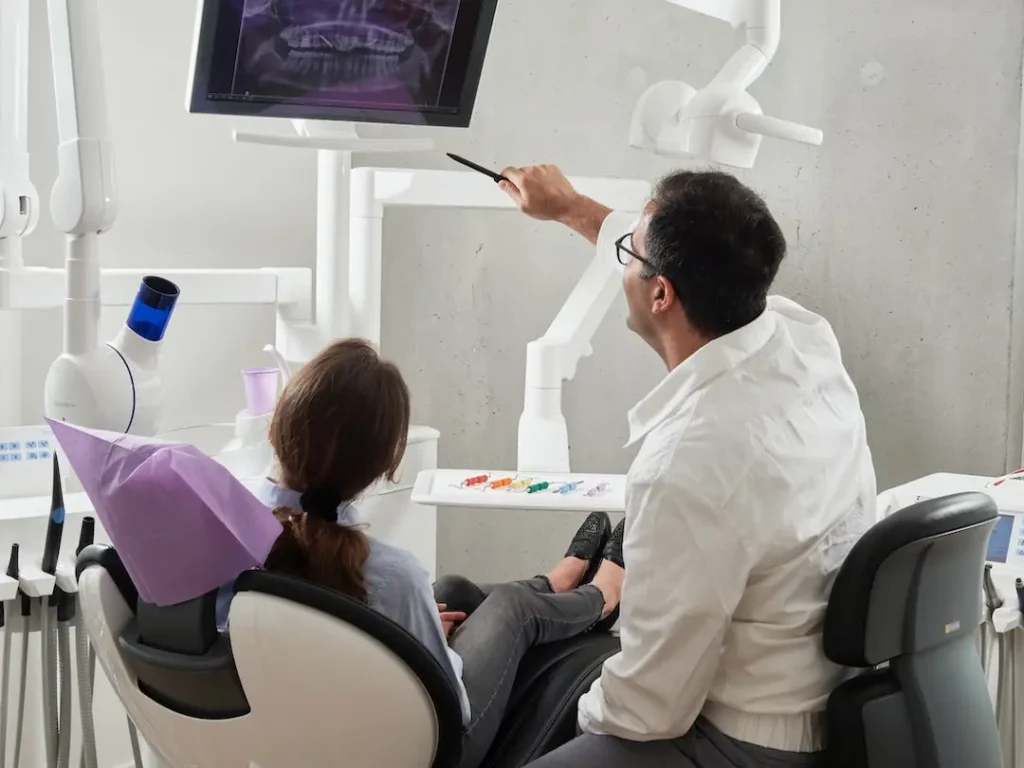
Managing conversations across multiple channels
Patients don’t always call anymore. Some message. Some use forms. Some prefer quick replies instead of calls. Handling all of this together can feel scattered.
When responses are managed in one flow, it feels less chaotic. Messages don’t get missed as easily.
Still, not every clinic handles all channels the same way. Some keep it simple. Others expand more.
It depends on how they operate.
Keeping responses consistent and clear
Different people at the desk may answer the same question in slightly different ways. That’s normal. But sometimes consistency helps. Especially for basic information like timings or availability.
When responses stay clear and similar, patients feel more certain. Not scripted. Just steady. That difference is small but noticeable.
Helping clinics stay responsive without extra stress
The goal isn’t to remove busy hours. That’s not possible. But reducing how intense they feel that’s where small changes help.
A few fewer interruptions. A few quicker replies. A little less pressure on the team. And over time, those small shifts add up.
Some clinics rely more on these tools. Others use them only during peak times. There’s no fixed way. But somewhere in between, using a dental front desk ai bot starts to feel less like a new addition and more like a support layer that quietly keeps things moving when the day gets a bit too full.